

Photo of photo courtesy: Magnet Records | Sent from: Kingston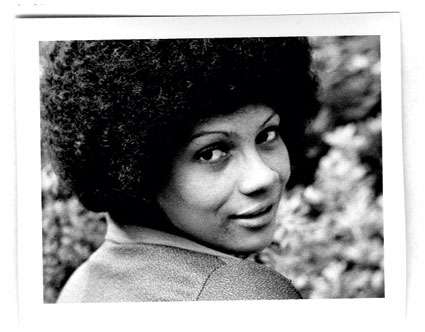 Jamaica is music-nerd paradise. Not because this small island is responsible for a shocking number of consummate tunes you know and love, but because it birthed an equal amount of tunes that you—and thus your friends, colleagues, and others you’d like to one-up—don’t yet know and love. The sheer volume of unacknowledged reggae heroes produces countless nose-in-the-air comments (“You mean you haven’t heard of Prince Farh I Haile Zion Macallister III [or whoever]?”).
Take, for instance, two yardie femmes who deserve grand gilded thrones in the reggae hall of fame: Susan Cadogan and Sonia Pottinger.
Don’t feel bad if you don’t know them. Even Sister Carol—old-school reggae diva and dancehall originator—was confused when I mentioned these names to her last month. Then she paused, reflected, and recalled: “Ah, Sonia Pottinger. I remember I used to notice this lady’s name on records when I was growing up in Jamaica. And then, after I came to the US, I learned that she was behind some of the great artists that I love, like Marcia Griffith and Judy Mowatt. I’ve never met Sonia, but I feel her contribution to reggae music.”
Precious few, it turns out, have met Pottinger. In Jamaica, artists can land on the scene, achieve musical brilliance for a song or a decade, and then never surface again. But her work speaks for itself. During the mid-60s, when the legendary trinity of Duke Reid, Coxsone Dodd, and Prince Buster was all but running the Jamaican music scene, Pottinger—one of the only female producers in reggae history—was doing her thing. In her early 20s, she opened the Tip Top Record Shop on Kingston’s Orange Street.
Ska was on the wane, Jamaican music had slowed its beat, American soul music was the rage, and in Jamaica, the late 60s was the rocksteady era. Pottinger’s High Note label, which lived from ’68 to ’72, put out smooth rocksteady classics by the Ethiopians, the Gaylads, and the Melodians (another under-appreciated act––can anything make the Bible sound better than “Rivers of Babylon” does?). Pottinger produced sweet pop at its best (like Monty Morris’s “Put on Your Best Dress”), but also such political, Rastafarian-inflected tunes as the Ethiopians’ “The Whip.” Like most rocksteady, her music was American-influenced, but thanks to thick patois and reggae guitar, distinctly Jamaican. Duke Reid’s Treasure Isle studio owned the genre’s crème de la crème, but soon Pottinger owned Treasure Isle. She took over Reid’s business after his death in 1974, repackaging and reissuing the label’s recordings.
Pottinger’s 70s studio sessions, recorded for her Gay Feet label, enlisted heavy hitters like Sly and Robbie, Count Ossie, and Dean Fraser. When the spirit moved her, Pottinger even sang backup. Before summarily retiring and disappearing in 1985, she gave us classic albums like Culture’s Harder Than the Rest and Marcia Griffith’s Naturally.
“Jamaican women made a vast contribution to reggae,” declares Sister Carol. “They were more than just backup singers and baby makers.”
This is true. They were also librarians. Another equally important and equally forgotten legend, Alison Anne Cadogan was checking books in and out when Lee “Scratch” Perry fell in love with her voice and dubbed her “Susan” (it’s a sexier name, he said). He spent many a Sunday in his studio recording her 1976 opus Hurt So Good—which is, frankly, one of the best lovers- rock albums ever made.
Jamaica is music-nerd paradise. Not because this small island is responsible for a shocking number of consummate tunes you know and love, but because it birthed an equal amount of tunes that you—and thus your friends, colleagues, and others you’d like to one-up—don’t yet know and love. The sheer volume of unacknowledged reggae heroes produces countless nose-in-the-air comments (“You mean you haven’t heard of Prince Farh I Haile Zion Macallister III [or whoever]?”).
Take, for instance, two yardie femmes who deserve grand gilded thrones in the reggae hall of fame: Susan Cadogan and Sonia Pottinger.
Don’t feel bad if you don’t know them. Even Sister Carol—old-school reggae diva and dancehall originator—was confused when I mentioned these names to her last month. Then she paused, reflected, and recalled: “Ah, Sonia Pottinger. I remember I used to notice this lady’s name on records when I was growing up in Jamaica. And then, after I came to the US, I learned that she was behind some of the great artists that I love, like Marcia Griffith and Judy Mowatt. I’ve never met Sonia, but I feel her contribution to reggae music.”
Precious few, it turns out, have met Pottinger. In Jamaica, artists can land on the scene, achieve musical brilliance for a song or a decade, and then never surface again. But her work speaks for itself. During the mid-60s, when the legendary trinity of Duke Reid, Coxsone Dodd, and Prince Buster was all but running the Jamaican music scene, Pottinger—one of the only female producers in reggae history—was doing her thing. In her early 20s, she opened the Tip Top Record Shop on Kingston’s Orange Street.
Ska was on the wane, Jamaican music had slowed its beat, American soul music was the rage, and in Jamaica, the late 60s was the rocksteady era. Pottinger’s High Note label, which lived from ’68 to ’72, put out smooth rocksteady classics by the Ethiopians, the Gaylads, and the Melodians (another under-appreciated act––can anything make the Bible sound better than “Rivers of Babylon” does?). Pottinger produced sweet pop at its best (like Monty Morris’s “Put on Your Best Dress”), but also such political, Rastafarian-inflected tunes as the Ethiopians’ “The Whip.” Like most rocksteady, her music was American-influenced, but thanks to thick patois and reggae guitar, distinctly Jamaican. Duke Reid’s Treasure Isle studio owned the genre’s crème de la crème, but soon Pottinger owned Treasure Isle. She took over Reid’s business after his death in 1974, repackaging and reissuing the label’s recordings.
Pottinger’s 70s studio sessions, recorded for her Gay Feet label, enlisted heavy hitters like Sly and Robbie, Count Ossie, and Dean Fraser. When the spirit moved her, Pottinger even sang backup. Before summarily retiring and disappearing in 1985, she gave us classic albums like Culture’s Harder Than the Rest and Marcia Griffith’s Naturally.
“Jamaican women made a vast contribution to reggae,” declares Sister Carol. “They were more than just backup singers and baby makers.”
This is true. They were also librarians. Another equally important and equally forgotten legend, Alison Anne Cadogan was checking books in and out when Lee “Scratch” Perry fell in love with her voice and dubbed her “Susan” (it’s a sexier name, he said). He spent many a Sunday in his studio recording her 1976 opus Hurt So Good—which is, frankly, one of the best lovers- rock albums ever made.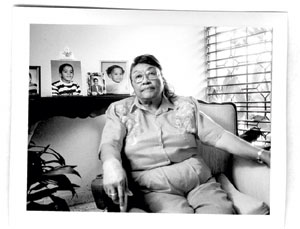 Photo by: Rick Elgood | Sent from: London“Susan Cadogan—she had that silky, smooth voice, a different voice from other singers out there,” says contemporary Jamaican songstress Tanya Stephens, whose soon-to-drop VP Records album toes the typically sharp line between roots reggae and dancehall. “Her voice has such a nice feel. Where is she nowadays?”She’s reading a book. Cadogan’s Scratch-produced cover of Millie Jackson’s “Hurt So Good,” backed by the Diamonds before they were Mighty (in name and in stature), catapulted her to fame in the UK and was the jam at the 1974 Notting Hill Carnival. With the voice of a schoolgirl yearning to go off the sensual deep end, it’s classic Cadogan—so sweet and dreamy that it’s almost saccharine. Even Scratch had some cheesy pop in him, and nothing brought it out like an untrained young singer—who debuted on British television in an enormous afro wig.For three decades, Cadogan fell on and off the reggae wagon. Random Cadogan tunes, mostly covers, charted in Jamaica during the 80s and then the 90s, when she linked up with English producer Mad Professor for herSoulful Reggaealbum. But Cadogan spent most of her time in the hallowed halls of the University of the West Indies library in Kingston, where she might have been found today if she hadn’t recently retired, and like Pottinger, drifted into the mist. At 52, she inhabits that kingdom in Jamaica reserved for lost legends, and is plotting yet another comeback.In the meantime, Trojan Records’ massive and endless reissue campaign recently re-released Cadogan’sHurt So Good. Scratch’s toned-down dub, merged with the wistful yet innocent voice of Susan Cadogan almost makes you want to move to Kingston despite the rampant gangs, kidnappings, and abject poverty. In fact, it’s almost calming enough to make you forget that in the annals of reggae, neither Pottinger nor Cadogan will ever get the high praise they deserve.BAZ DREISINGER
Advertisement