

Both GRIS and Neva are some of the most stunningly crafted indie titles available, with both featuring a captivating visual style alongside emotionally moving stories that bring us along for the ride. I had the opportunity to chat with the team at Nomada Studio about what it takes to bring such worlds to life, what inspires them, and so much more.
Who Is Nomada Studio and Who Did You Get To Speak WIth From The Studio?
After a few years spread around the world making AAA games and interactive experiences, long-time friends Adrián Cuevas and Roger Mendoza met artist Conrad Roset back home in Barcelona — who had an itch to bring his art to the realm of video games. They instantly clicked and set to create their first video game, GRIS. Which will bring the artist’s unique style to an interactive world of wonder.
Videos by VICE
As a smaller studio, the impact Nomada Studio made on the indie scene is not to be downplayed. After creating the beautiful and successful GRIS in 2018, they went on to create their newest masterpiece, Neva, which released in 2024.
I had the opportunity to ask questions of three of the major players from Nomada Studio:
- Conrad Roset: Game Director
- Adrián Cuevas: Technical Director
- Marco Albano: Soundtrack composer in Berlinist

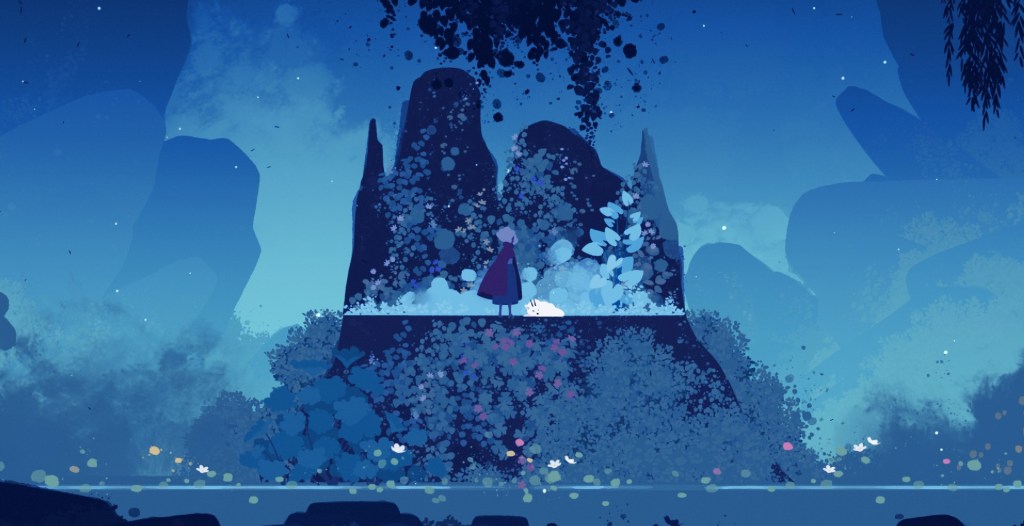
Without a doubt, the visuals and sound design of both GRIS and Neva are some of the most striking in the gaming scene. Were there any specific inspirations behind the visual stylings for either of these games? Any movies/media that inspired the look and feel of them?
Conrad: Studio Ghibli is often the first reference that comes to mind for players. Of course, movies like Princess Mononoke and Spirited Away were big inspirations. But we also drew from traditional artists like Masayasu Uchida and illustrators like Pascal Campion. Video games were also key references for us — titles like Ori and the Blind Forest and Inside had a significant influence.
There is a noticeable lack of dialog in both GRIS and Neva. It’s something I quite appreciate to keep the mystery open for the player to interpret. What was the creative process behind this decision?
Adrian: That’s exactly why we chose to avoid dialogue. In GRIS and Neva, we aimed to tell a story while leaving some details open to the player’s imagination. Alongside the music, cinematics, artistic symbolism, and the use of ellipses, the absence of dialogue allows us to convey a narrative while giving players room to project their own thoughts and interpretations.
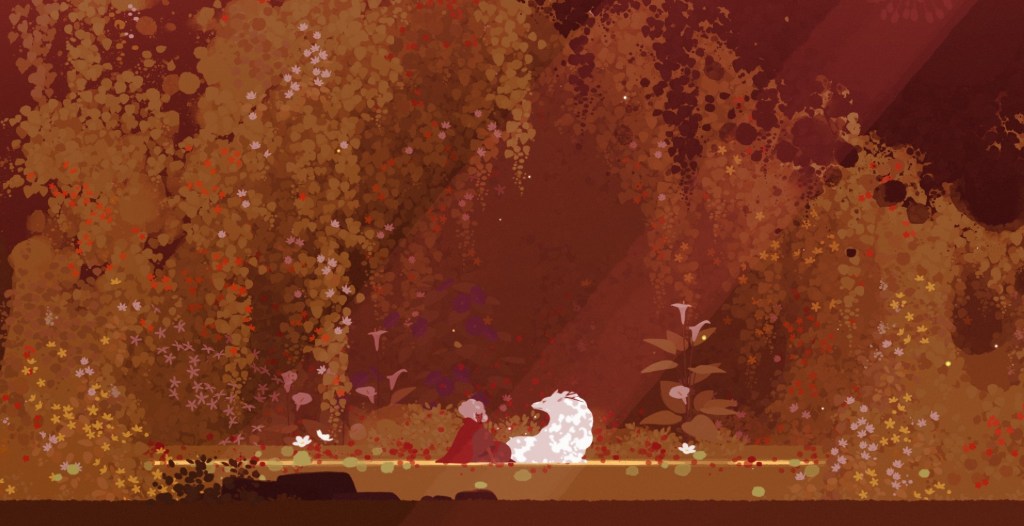
Do you feel as if your particular brand of visual storytelling could ever make the leap into the 3D space? Why or why not?
Adrian: I wouldn’t say never. It’s something we’ve discussed within the studio. While we haven’t ventured into 3D yet, it’s not off the table for the future. We started with 2D because that’s Conrad’s background. But, there are plenty of examples of games with stunning artistic styles in 3D. It’s definitely something we could explore someday.

Regarding the choice of making both GRIS and Neva as side-scrollers, was there a particular reason for this design choice? I was consistently impressed with how well every level flowed together and led me in the right direction while still encouraging a bit of exploration off the beaten path.
Adrian: Side-scrollers give us a way to create a linear experience, making it easier to control the game’s pacing. This helps us balance gameplay and narrative. Letting us challenge the player and evoke the emotions we want at just the right moments.

Striking the perfect balance between the haunting terror and the beautiful vistas of Neva was masterfully done. What inspired you to bring this level of darkness into an otherwise colorful world?
Conrad: During the darkness level, we wanted to evoke a profound sense of terror while maintaining elegance. Our goal was to create an analogy for a descent into the depths: growing darker and more terrifying with each step.
At the studio, we’re big fans of the horror genre. Drawing inspiration from films like Midsommar, The Witch, and Hereditary, among other key references.
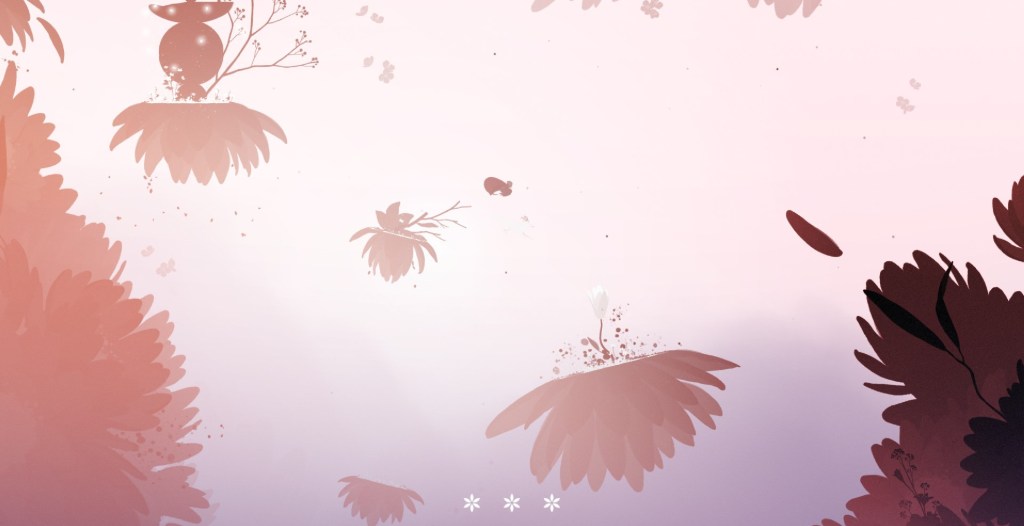
While GRIS was a combat-free experience, Neva introduced swordplay into the equation. Alongside the powers that Neva brings to the table. What was the reason for the addition of combat?
Adrian: There were two main reasons. First, combat fit naturally with the story we wanted to tell; it made sense for Alba to protect and defend Neva.
Second, we thought it would be a natural evolution for players who started playing video games with GRIS. This way, they could experience a bit more challenge and learn some of the most common paradigms in classic video games.

Tackling the subject of loss is a difficult thing to parse in the digital space, especially in the realm of video games. How did the central themes of Neva come to be?
Conrad: The central idea of Neva gravitates around parenthood and the fear of a collapsing world. The idea for Neva was conceived during the pandemic, a very turbulent and uncertain period. At the time, I was a new parent, reflecting on all the emotions that come with taking care of your child while also caring for your parents. Living in this “in-between” generation, you begin to realize that you are the one protecting those who once protected you — and also those who will care for you eventually.
At the same time, the world felt like it was falling apart, and, as a parent, you become even more worried about the tragic events happening in the world you’ve brought your child into: pandemics, wars, economic collapse… All of these fears — the fear of losing your loved ones in a harsh world, the sense of loss, and the deep desire to protect those you love — became the seed for Neva.
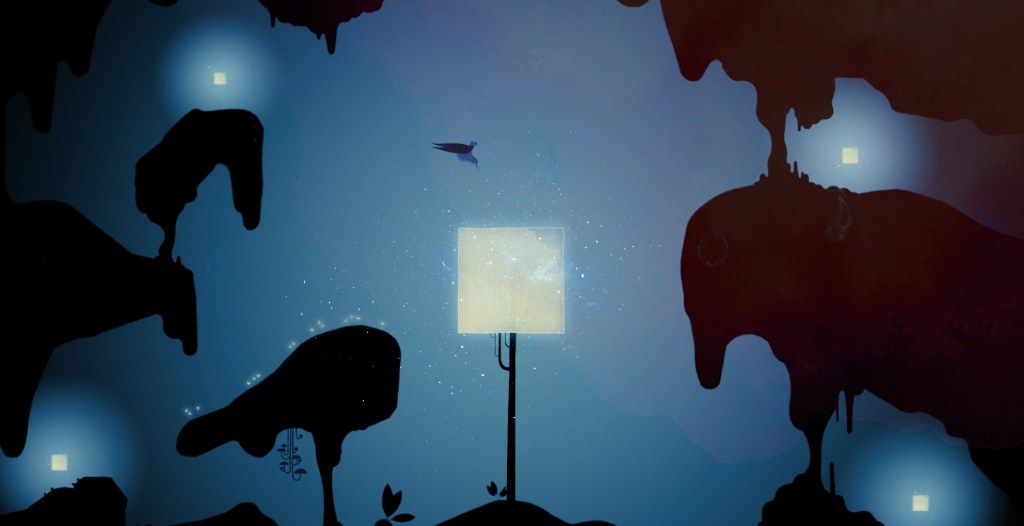
Both GRIS and Neva have some of the most beautiful soundtracks I’ve ever had the pleasure of hearing. What went into the creative process of deciding which direction the musical themes would go?
Marco: Neva‘s soundtrack aims to mirror the game’s emotional journey. Reflecting three main moods: wholeness and connection, atmospheric ambiance, and corruption and conflict. The bond between Alba, Neva, and nature is expressed through organic instruments and layered harmonies that evoke unity. Ambient tracks convey calmness and wonder, immersing players in serene environments. During conflicts, dissonant tones and driving rhythms are introduced to heighten tension. This dynamic approach enhances the player’s connection to the narrative, deepening the overall experience.

What would you consider the most difficult part of developing a game such as GRIS or Neva? Do the emotions of creating such impactful stories ever weigh down on you during the production?
Adrian: I would say the most difficult part is balancing the narrative, gameplay difficulty, and pacing to ensure the game feels right and evokes the emotions we want.
The expectation of creating another impactful story can be intimidating, but it’s also encouraging. It shows us that players value these kinds of stories and appreciate the way we tell them.
thank you, Nomada Studio!
I would like to thank Conrad Roset, Adrian Cuevas, and Marco Albano for taking the time out of their busy schedules to chat with me about GRIS and Neva. If you are interested in trying any of these games for yourself? GRIS is available on PlayStation 4, PlayStation 5, Xbox Series X|S, Xbox One Nintendo Switch, Android, iOS, and PC. Neva is available on PlayStation 4, PlayStation 5, Xbox Series X|S, Xbox One, Nintendo Switch, PC, and MacOS.
More
From VICE
-

(Photo by Daniel Knighton/Getty Images) -

Photo by Gie Knaeps/Getty Images -

(Photo by Chris Marion/NBAE via Getty Images) -

Screenshot: Epic Games
