


Between Ramdev Baba’s ripped jeans and revelations of ripped-off followers to achieve influencer status on social media, it’s been a year of mixed feelings to mull over. So, we’re drowning ourselves in the finer things that life has to offer instead, one frosty vino glass at a time. But while wine may be fine, Irish cream liqueur is quicker in bringing us to the blissful state we’d rather be in. And since ’tis the season to be jolly (and also broke), we thought: Why not throw some jugaad into our holiday spirit?
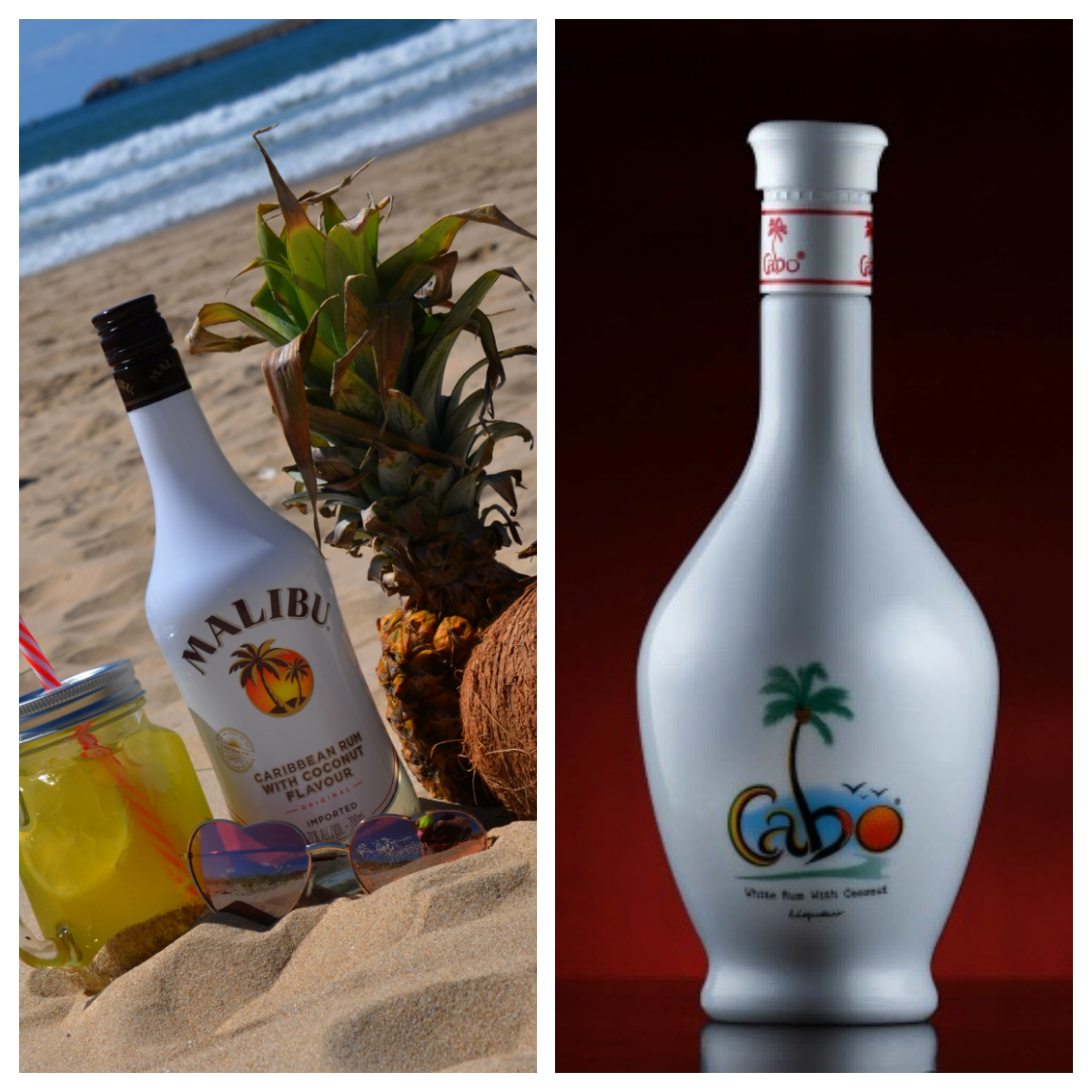
There’s a whole range of Indian alternatives to fancy foreign liqueurs like Baileys, Kahlua and even Tequila brewing on the horizon. From the Kahlua-like coffee-flavoured concoction Ti Connie to the cloned version of coconut-flavoured Malibu rum renamed as Cabo and a locally brewed 100% Agave by Desmondji that tastes a hell of a lot like the Mexican Tequila that comes with a GI (Geographical Indication) tag, these twists of cocktail favourites follow formulae that are almost identical to their international predecessors. Yet, their price points flicker between Rs 500 to Rs 2,000 depending on the type of product, which state you buy it in, and how specialised their distillation process is. That’s almost a quarter or half of the OG product’s price, despite the repackaged product being fairly similar in flavour.
Videos by VICE
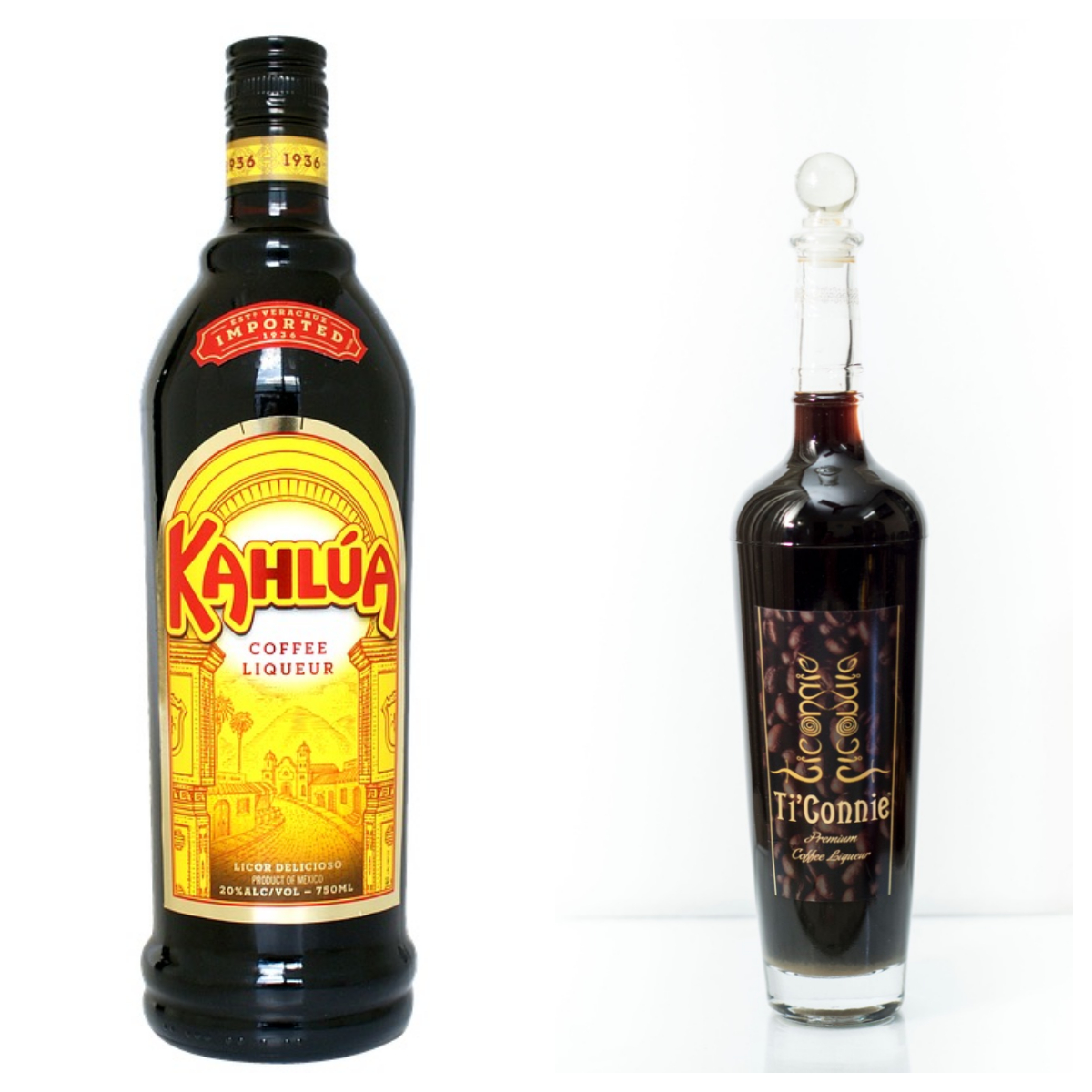
“During our distillation process, we use homemade white rum or neutral grain spirit as the base, modify its harshness, demineralise and detoxify the water of all chemicals and finally add the extracted essence of coconut for Cabo, peach for Peachy Swirl and coffee beans for Ti Connie,” explains Solomon Diniz, Managing Director at Adinco Distilleries, a Goa-based heritage industry. They’re a company that started out manufacturing the state’s signature cashew feni and evolved into making affordable alternatives to these delicious drinks, and in 2017 they came out with the their latest liqueur release, a sweet and sparkly Peachy swirl. Today they have emerged as the biggest Indian player in the imitation game of foreign liqueurs. What makes the standard production process different from their overseas editions is the substitution of the addition of nature-identical or artificial flavouring with extracts imported from France and Germany, the use of water from a heritage underground tank, and the need to modify the emulsification process to fit the climate conditions and humidity of Goa. “It took us eight years and expert guidance by the likes of Italian quality check expert Sandro Pontillo to perfect the process of Voodoo, meant to be a replacement for Baileys Irish Cream. One of the ingredients is fresh cream, which kept curdling, and that was an issue faced by the Baileys company when they tried and failed to set up a production factory in India. It had to be corrected and stabilised to achieve the exact result every time.”

Despite having to endure a painstaking process, the price prevails at reasonable rates. Diniz attributes this to the reduced production cost incurred due to factors like cheaper labour, raw materials, packaging equipment, an initial tax benefit, and the high import rates slapped onto their foreign competitors, as well as the cultural association that earns them clout in the area through promotional events like blind tastings. However, their reach remains hampered in terms of distribution due to differing state policies such as the need for local factory tie-ups in Tamil Nadu and a lack of private distributors in Rajasthan. On the other hand, flexible excise policies in Union Territories like Daman, Diu and Pondicherry help them come through.
But before this bubbling industry can find itself in the throngs of a social media page we’re predicting will be called @diet_woke, it turns out that it’s totally legal to use OG alcohol recipes and turn them into your personalised brand. You have the option to trademark the brand’s design and packaging, and copyright any artistic or literary part of the product under Class 33 of the Trademark Classification filing in India. “You can take legal action against a brand for copying your design, packaging, name, and even if they reproduce a written version of your documented recipe,” says Bombay High Court Counsel Hiren Kamod, who specialises in Intellectual Property Law. “But, there is no codified Indian provision that lets you trademark a taste yet, something that can be done in European countries.” Giving the example of Coca-Cola, he also points out that while the patent laws in India require you to disclose all information of the product or formula you want to protect, a well-drafted proposal for securing a trade secret tag for certain specific ingredients that can make or break a brand is enough to do the trick. “If your product specifically has to be made in 25-degree Celsius heat and you don’t disclose this, your patent may be revoked. Instead, you can say something like it has to be made between 20- to 30-degree Celsius.” Clearly, from the alcohol industry to the legal front, Indians are jumping through loopholes to come out on top.
Follow Shamani Joshi on Twitter .
More
From VICE
-

(Photo by Paul Archuleta/Getty Images for Complex) -

(Photo by Kristian Dowling/Getty Images) -

Getty Images -

WWE on YouTube
