

At some point, “wellness tea” quietly rebranded into “horny tea.”
Influencers stir powders into matcha, hold up mason jars of herbs, and casually mention “supporting hormones” like it’s the same as adding oat milk. Suddenly, your feed looks less like a feed and more like an apothecary that really wants you to cum more.
Videos by VICE
We’ve already turned maca root into nature’s Viagra and powders like Sex Dust into orgasm in a jar. Naturally, libido teas are the next logical step: same wellness aesthetic, but now with the implication that you can fix your sex drive the same way you fix being a little dehydrated. Sip this, and your hormones will rebalance, your desire will return, and you’ll be back in your divine sexy self era by the bottom of the mug.
But can a handful of herbs in hot water change libido in any meaningful way, or are you just drinking a very pretty placebo while a real problem goes untreated? I talked to a naturopathic doctor, a sexologist, and a urologist to figure out what libido teas can realistically do for your sex life—and what they definitely can’t.
YOU MIGHT ALSO NEED: 10 Best Gummies for Sex (And More THC Products for Playtime)
What’s Actually in a “Libido Tea”?
If you’re wondering if these blends are a genuine entry point to sexual wellness or mostly slick marketing in a cute tin, Dr. Wesley Buckle, ND, a licensed naturopathic doctor at The Oasis Recovery, says, “it’s a bit of both.”
“However, some of these products are associated with exaggerated claims that aren’t backed by science,” he explains. “The language may sound scientific, but the actual impact may be far more modest than what is suggested by the marketing.”
The usual suspects in these blends won’t shock anyone who’s ever wandered the supplement aisle: “The herbs that I have seen the most include horny goat weed, ashwagandha, and maca,” Buckle says. “The ones that have the most evidence for their use include ashwagandha and maca. However, many others, like horny goat weed, do not have strong clinical evidence. Most of the evidence is anecdotal.”
Urologist Dr. Justin Houman, MD, of Tower Urology at Cedars Sinai Medical Center, puts it even more bluntly from the sexual medicine side. When he sees teas or tonics marketed as libido boosters, his first reaction is “mostly hype with a dash of plausibility.” A few ingredients do have small human studies behind them, he says—things like maca, Panax ginseng, fenugreek, and L-arginine. But the effects are mild, the studies are small, and the doses in TikTok-friendly teas are often nowhere near what’s used in trials.
Do These Teas Actually Change Your Hormones?
No, not in any meaningful way.
“Most of these herbs do not directly balance hormones like testosterone or estrogen in a significant way,” Buckle says. “They provide support more indirectly, such as by improving sleep quality.”
Houman agrees, especially for men who already have normal labs. “For men with normal hormone levels and normal physiology, the answer is no,” he says. “A tea cannot raise testosterone into a therapeutic range, cannot reverse endothelial dysfunction, and cannot replicate the pharmacologic effect of PDE5 inhibitors.”
That doesn’t mean people never feel anything. Some herbs can tweak energy or mood a bit. A warm drink at night might help you relax and sleep. But if you’re picturing your testosterone snapping into perfect balance because you sipped something labeled “hormone support,” that’s not what the science is showing.
“Any tea that claims that it can balance hormones or produce sexual desire on demand is a red flag,” Buckle says. “Other red flags are wording that promises drastic hormone changes or sexual arousal. Sexual desire is influenced by a variety of things, not simply a single herb or tea.”
If the copy reads like a Viagra ad dressed up in wellness-speak, be suspicious.
So Why Do People Sometimes Swear These Work?
Because your brain is very, very horny for a story. “Everyone wants a quick fix, so when it has even a mild effect, people get excited about it,” says Suzannah Weiss, resident sexologist at Fleshy.
She sees two big groups of people reaching for this stuff: those who are insecure or anxious about their sexual performance, and what she calls “sexual adventurers” who are just curious to try anything that might enhance their sex lives. “Even if you’re having sexual issues, the latter attitude is healthier,” she says. “Think of it as an experiment rather than a way to ‘fix’ yourself, as it’s not helpful to think of yourself as broken.”
All three experts say placebo and ritual are a huge part of what’s happening here.
“The placebo effect is particularly strong with sex products because our sexual experiences are so much based on mindset,” Weiss says. “That’s probably responsible for some of these products’ effects.”
Buckle’s on the same page: “The placebo effect can be very helpful. If a person’s nightly ritual includes a libido tea that helps them relax, this is a win.”
And Houman sees this all the time in clinic: “Placebo is incredibly powerful in sexual health, sometimes more than any supplement,” he says. If someone feels more confident or more tuned in to sexual cues after tying their desire to a tea, that can absolutely translate into better sex. The problem is when that psychological bump becomes a mask for an actual medical issue.
When a “Horny Tea” Is Actually a Red Flag
It’s one thing if you’re a generally healthy person with occasional “meh” desire who likes a silly ritual. It’s another if you’re treating a serious, persistent problem with a beverage.
“Sometimes, there is a straightforward biological cause like a medication or hormonal imbalance, so I always recommend that people who [have] libido issues see a medical provider as well as a mental health professional,” Weiss says. More often, she sees what she calls psychological blockages: stress, performance anxiety, shame, trauma, or relationship conflict. A tea won’t fix those—though feeling even 10% better might give someone confidence to start addressing the real stuff.
Houman worries about what’s getting missed when people spend months or years chasing “natural” fixes. The underlying issues he wants to rule out are not cute: cardiovascular disease, diabetes or insulin resistance, obstructive sleep apnea, low testosterone, depression and anxiety, and medication side effects.
“A tea will not fix these. Early diagnosis will,” he says.
That’s why he calls the “natural alternative to prescription meds” narrative “one of the more harmful trends on social media.” It can delay diagnosis of real disease, encourage people to self-treat without labs, and create shame around evidence-based medications. When erectile dysfunction is the first sign of vascular disease, hiding behind a teabag isn’t harmless—it’s dangerous.
Side Effects, Interactions, And Myths
Even if you’re not dodging a diagnosis, libido teas are not risk-free spa water.
“There are definitely some safety concerns,” Buckle says. “Some of these herbs can interact with blood thinners. Others, such as fenugreek, can affect blood sugar regulation. Ashwagandha can impact thyroid function.” People on any other medications, he says, should talk to a medical professional first.
Houman layers on more: ginseng, ginkgo, and other herbs can increase the risk of bleeding in people taking anticoagulants. Vasodilating herbs like ginseng, L-arginine, or horny goat weed can amplify blood pressure drops when you’re already on sildenafil, tadalafil, or antihypertensives. Fenugreek may lower blood sugar in people with diabetes. Some ingredients can also interact with SSRIs in unpredictable ways.
He’s especially cautious in people with cardiovascular disease, men being treated for ED with prescription meds, anyone with a history of prostate cancer, and people headed into surgery. “Men often assume natural means safe,” he says. “That is not true.”
What Libido Teas Can’t Do For Your Sex Life
One of the biggest problems with these products is the expectations attached to them.
Weiss spends a lot of time reframing what “good sex” even is. “Good sex doesn’t depend on always having an erection or an orgasm,” she says. “If someone is stuck in their head about their performance, this can ruin the moment more than any performance issues themselves. So, the focus should be on remaining present and connecting with a partner rather than making your erections or orgasms bigger, faster, or harder.”
Instead of asking “Why isn’t this tea working?”, she’d rather people ask things like: Am I exhausted all the time? Am I stressed, resentful, or disconnected from my partner? Do I actually give myself any time to get into the moment, or am I going from emails to sex in five seconds and wondering why my brain isn’t caught up?
“I see a lot of people who are overworked and burnt out and therefore don’t get as excited about sex as they’d like to,” she says. She’ll often suggest things like taking a bath together or exchanging massages—actual, embodied foreplay—before worrying about what’s in your cup.
How to Actually Use Libido Tea Without Losing the Plot
If you genuinely like the idea of a sex-y tea and you’ve ruled out major health issues with an actual human clinician, no one here is saying you have to throw out your tins. You just need to put them in their place.
Buckle’s basic rules: “Avoid any products that make dramatic promises. Talk to your doctor first before trying any tea or supplement, especially if you have endocrine conditions or are pregnant.”
Houman sees libido teas, at best, as “harmless background noise or a modest add-on if it makes [you] feel good, but never a standalone treatment.”
And Weiss actually thinks these products can be sweet when they’re used lightly: “If a couple enjoys using a libido tea, that can create the space and time for a conversation around their sex life,” she says. Just remember that many of them have caffeine, so maybe don’t chug three mugs at midnight and then wonder why you’re jittery instead of turned on.
No, libido teas are not evil, but they’re not miracles, either. They’re mostly warm beverages with a splash of mild herb data, a heavy pour of placebo, and a thick layer of wellness marketing. If they help you slow down, feel ritual-y, and pay more attention to your body, great. Just don’t let a cute tin on your nightstand drown out the much less aesthetic—but much more fixable—reasons your sex drive might be off in the first place.
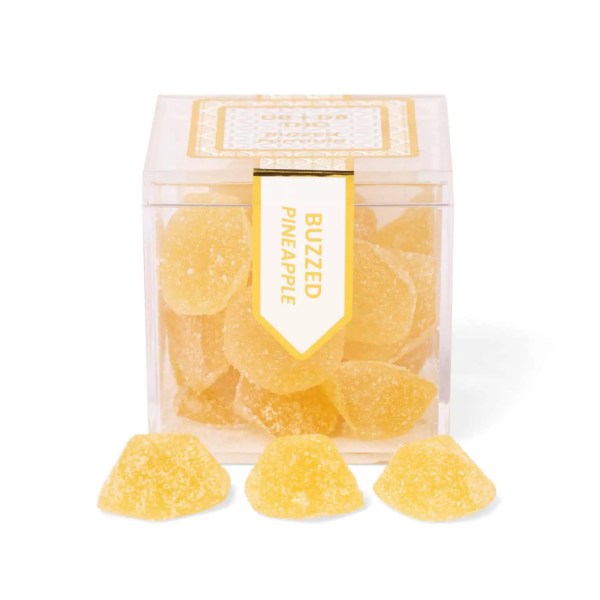
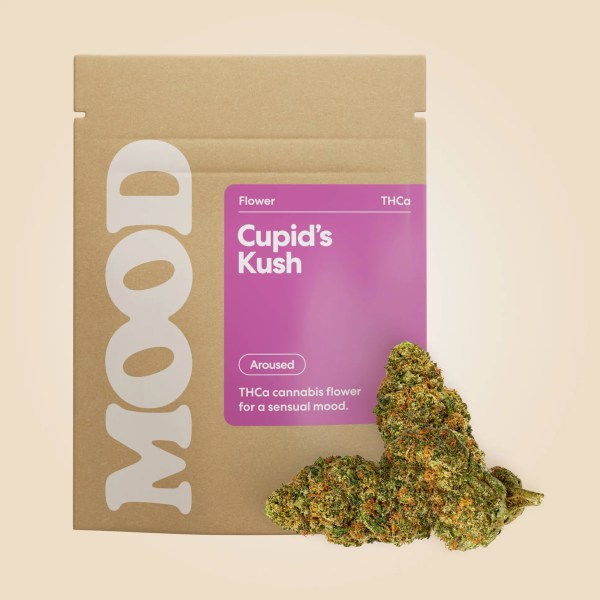
Maybe Instead of “Libido Tea,” Try Sex Gummies



More
From VICE
-

Photo: Meyer & Meyer / Getty Images -

Photo: Lya_Cattel / Getty Images -

Photo: Javier Zayas Photography / Getty Images -

Photo: Rob Daly / Getty Images
