

Sleep. Just the word is soothing, satisfying, aspirational. Wait, that last one isn’t all good. Good sleep should be democratized for everybody. So why does it feel like an insurmountable peak to scale, a goal just always out of reach? Caffeine, alcohol, stress, work, the news. Sleeping is hard work these days. We’re not getting enough of it, and what we do get is often of poor quality.

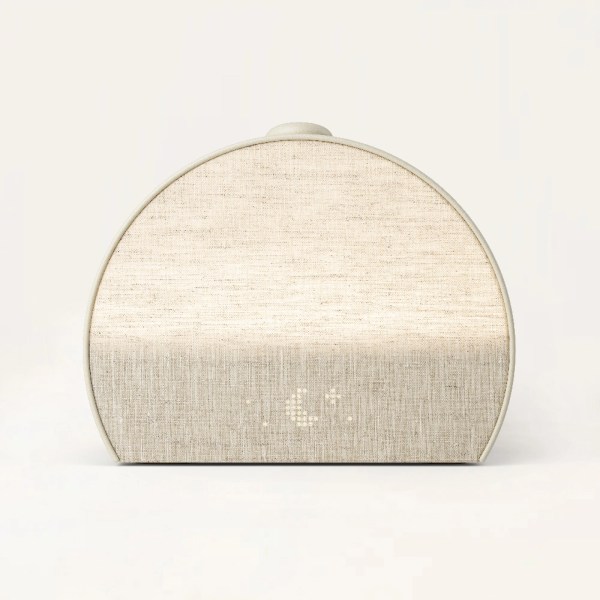
Hatch is a company all about sleep, one that I’ve grown familiar with over the past six years as a reviewer who specializes in, among other things, sleep tech. While I’ve used Hatch’s sunrise alarms off and on for years, they’ve just released this past August the more upmarket Hatch Sleep Clock that measures and analyzes your sleep quality, but without making you strap anything to your wrist or ring finger, like so many other devices that promise better sleep.
Videos by VICE
rise and fake sunshine
The Hatch Restore 3 is a sunrise alarm clock I know well, having tested its predecessor before following up with a test of the latest model. Sunrise alarms work by gradually brightening a built-in lamp that mimics the growing luminosity and shifting color of the sun as it rises. Your body is naturally cued into watching for this shift of sunlight when you’re sleeping, and it releases chemicals that help wake you up. Compared to being jolted awake by a blaring conventional alarm clock or phone alarm, waking up slowly and more naturally is more pleasant.
You don’t need the Hatch+ subscription to use the Restore 3’s sunrise alarm functions, but if you want the sleep sounds, meditations, and soothing alarms, you’ll get much more out of it. Without Hatch+ you only get 20 alarms, five meditation sessions, and five sleep tracks; with it you get full access to more than 2,500 sleep sounds. You get 30 days free to try out Hatch+, and after that you can continue with it for $6 per month or $60 if you pay up front for a whole year.

Like the Restore 3, the Hatch Sleep Clock lets you set a bedtime (sunset) routine and has a sunrise alarm and more than 2,500 soothing sounds with Hatch+. The Sleep Clock adds sleep tracking that learns your sleep patterns over time, which in turn gives you personalized insights and recommendations for how to improve your sleep quality.
Hatch calls it a “contactless sleep tracker.” That means you don’t have to wear anything on your body for it to work. That means there’s not a heart rate monitor function, though. As you sleep the Sleep Clock tracks your movement and breathing, but there’s no camera and no microphone.
How Hatch Sleep Clock Works
A “low-power” sensor embedded in the Sleep Clock watches the rise and fall of your chest to determine your breathing and the stages of sleep you pass through during the night: awake, light sleep, deep sleep, and REM sleep, the deepest of sleep stages. You can see how long you spent in each mode in the app’s Sleep Tab. For the first week the Sleep Clock is in calibration mode. After the seventh night of monitored sleep, you unlock Night Notes, which tell you on which days you got to sleep on time, woke up on time, how long you spent in bed, and how much sleep you got.
The information gets more granular than that. If you fall asleep to audio, it’ll show you which types of audio tend to help you fall asleep more quickly than others, or if it takes you more or less time to fall asleep than with no background noise. When detecting restless sleep patterns or difficulty falling asleep or waking up in the morning, Hatch will suggest tips, such as adjusting your bedtime or wake-up time forward or backward, or cutting down screen time within a certain period before bed, for example. There isn’t a sleep score or overly gamified analysis, which just stresses some people out when they see it quantified how poorly they’re sleeping.
Think of the Sleep Clock like a more premium version of the Restore 3, with a more premium price tag to boot. Compared to the Restore 3’s $170 price, the Sleep Clock runs $250. Like with the Restore 3, you don’t need to sign up for Hatch+ to use the sunrise or sleep tracking capabilities. It’s more about gaining access to the full library of sleep sounds, meditations, and alarm noises.
Plus, they look nice
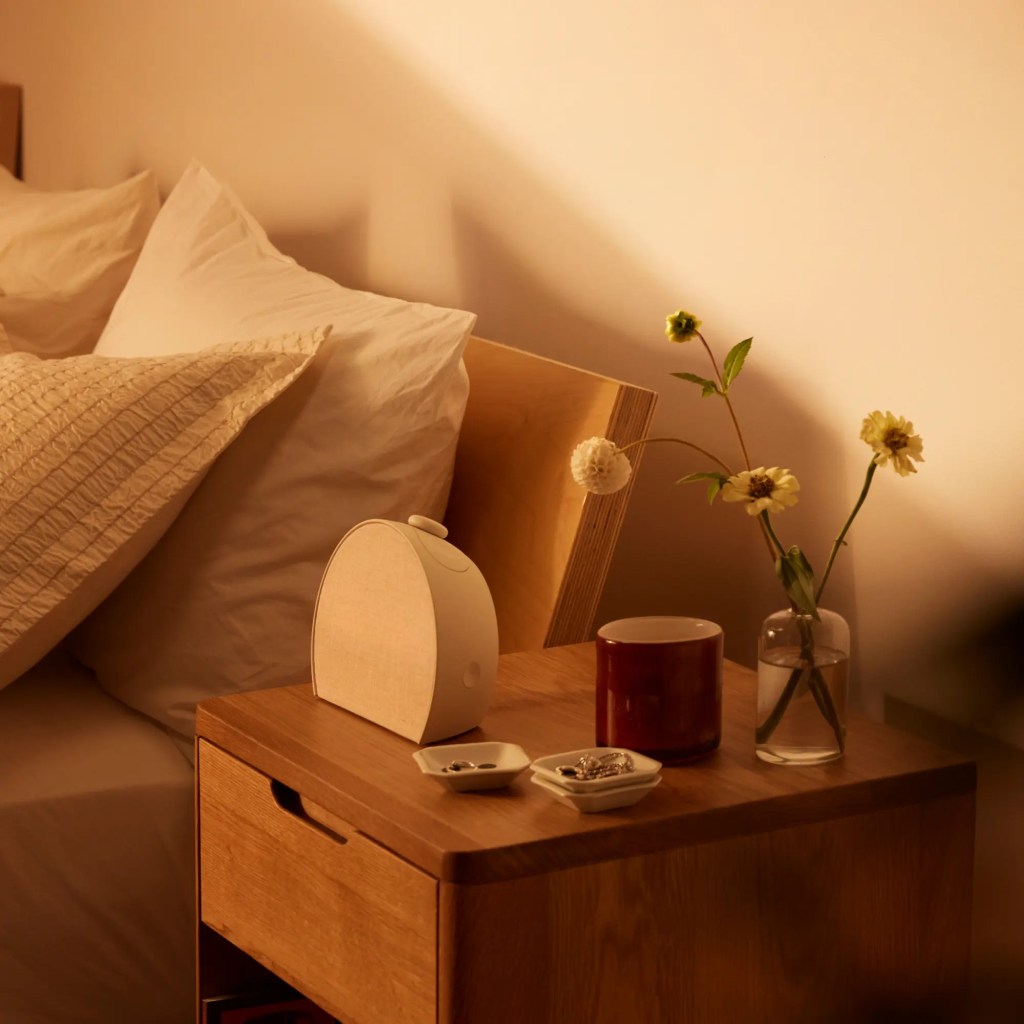
I’ve been testing sunrise alarms for six years, and Hatch‘s have always been the nicest, most attractive of the bunch. The Restore 3 and Sleep Clock both have fabric-covered faces that blend in well with most rooms’ decor. Even other expensive sunrise alarms are typically too plasticky. The Hatches are good-looking enough to look like they belong in a nicely furnished bedroom.
You can set the Hatch ready for bed and your wake-up time without using your smartphone, a nice touch that not all sunrise alarms follow. Why would I want to get on my phone right before bed in order to set a device that’s supposed to calm me down? My phone is a source of a lot of my stress. Get it out of my sight at bedtime.
More
From VICE
-

-

-

-

Screenshot: Konami
